It’s mind blowing when you think about it.
“We’re losing attention just as fast as we’re gaining it.”
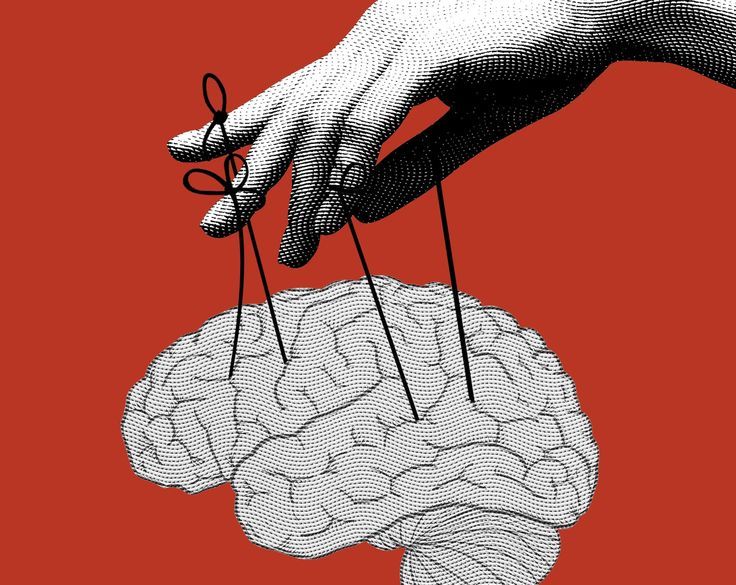
Social media has made us better at attracting attention while making us worse at controlling our own.
Every day, we compete for attention by posting, commenting, liking, sharing, and celebrating online. Yet somehow, the more attention we chase, the harder it becomes to hold onto our own.
That sounds contradictory, I know. Let me explain.
More than a century ago, psychologist William James described attention as the process of withdrawing from some things so that we can effectively deal with others. In simple terms, attention is the ability to choose what deserves your mind.
Interestingly, the English word attention comes from the Latin attentio, which is derived from the verb attendere, meaning “to stretch” or “to extend.”
In other words, to pay attention is to stretch your mind toward something worthy of your focus.
But this is where the problem begins. Our ability to focus is quietly fading.
There’s something called an attention span. It is the amount of time a person can concentrate on a single task, thought, or activity before becoming distracted or losing interest.
That attention span is shrinking.
Social media has played a significant role in this shift. Doom scrolling gives us a constant stream of novelty and quick dopamine rewards. Over time, our brains begin to expect that level of stimulation all the time.
So when we sit down to read a book, study for an exam, write an article, or do any kind of deep work, it feels less rewarding. We become restless. Our minds wander. We get bored more easily because we’ve trained ourselves to crave constant stimulation instead of sustained focus.
But that’s only one side of the story.
On the other side is the rise of attention seekers.
Never before have so many people competed so intensely for validation. Likes, views, followers, and comments have become measures of worth. Some people carefully craft an identity they think others will applaud. Others pretend to be someone they’re not just to fit in or gain approval.
But the truth still stands.
Pretending to be someone else is exhausting.
The people who leave the greatest mark on the world aren’t copies. They’re unmistakably themselves. Their influence comes from authenticity, not imitation.
Your uniqueness isn’t a weakness, It’s your greatest advantage.
And that’s the paradox.
There are two kinds of attention at work.
The first is attention as focus, your ability to direct and sustain your mind.
The second is attention as validation, the desire to be seen, noticed, and approved by others.
They are different, yet deeply connected. The more obsessed we become with gaining other people’s attention, the more likely we are to lose control of our own.
So don’t spend your life chasing attention while sacrificing your ability to pay attention.
Because in the end, the people who change the world aren’t the ones who capture the most attention.


Leave a comment